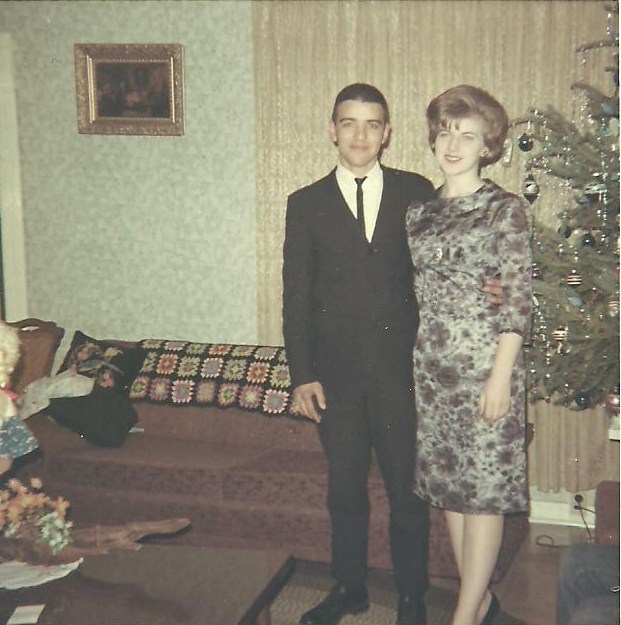
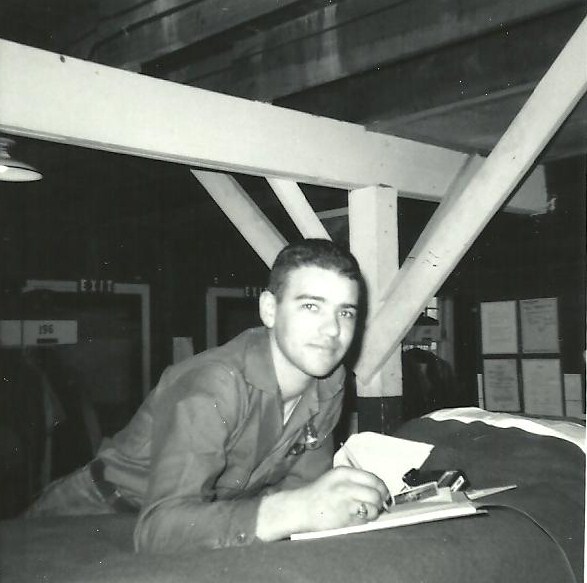
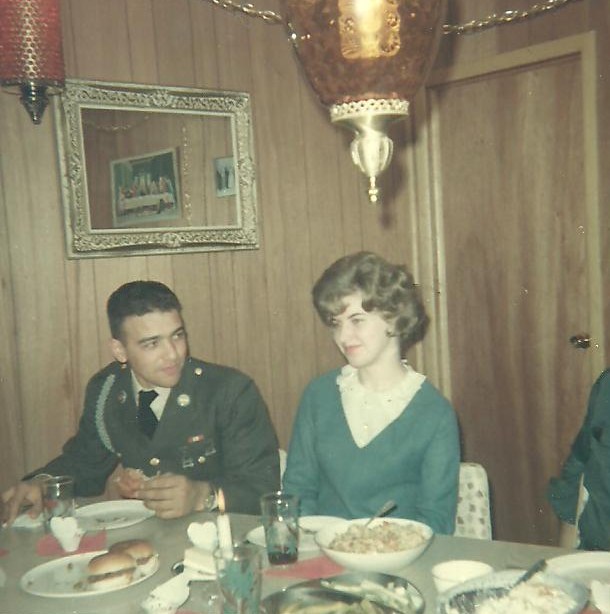
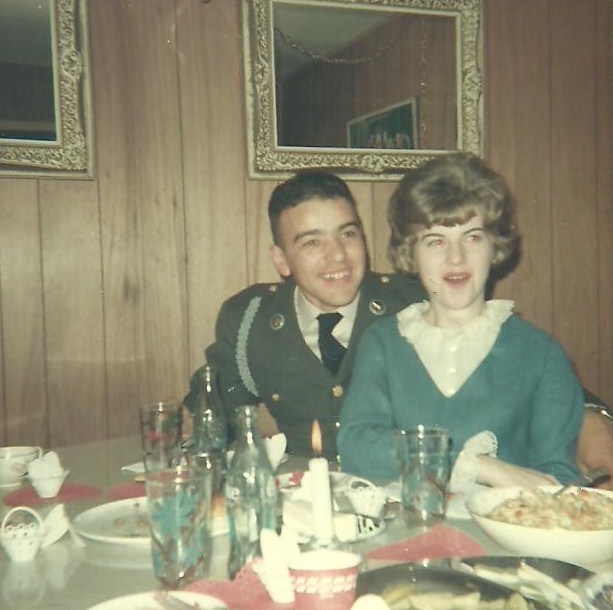
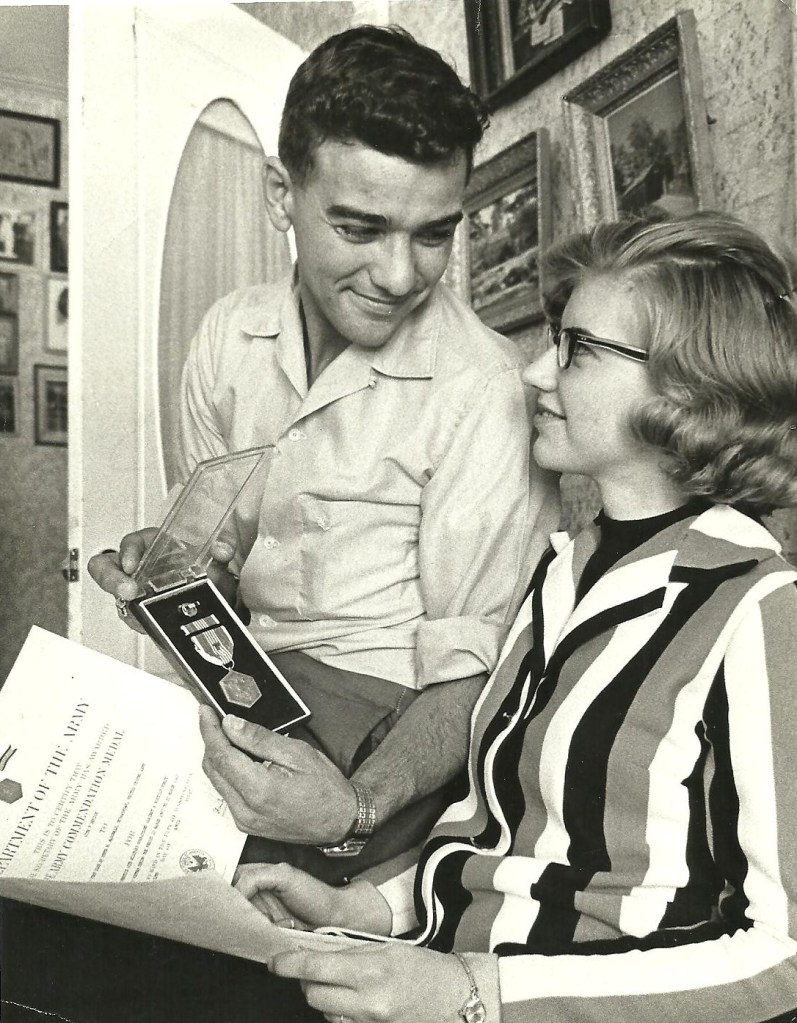
Before he was a soldier, Steve McDonald was a young man from Nekoosa, Wisconsin — fresh out of high school, holding a welding certificate. A future in front of him with a fiancée waiting at home.
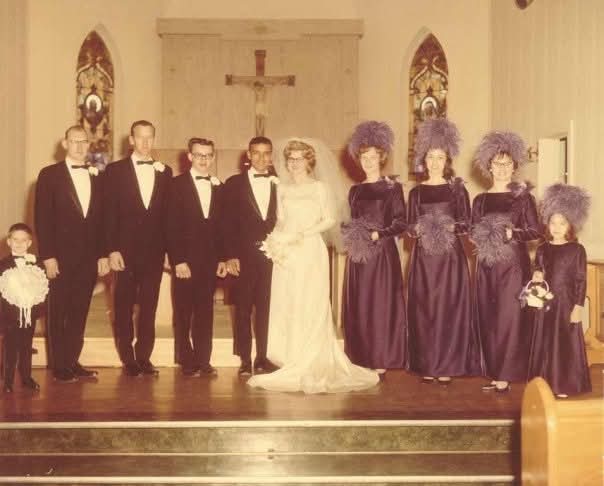
After receiving his welding certificate, Steve was drafted into the Army in 1967. Before leaving for Vietnam in February 1967, he proposed to his high school sweetheart, Peg. They planned to be married on March 2, 1968 — a date set with hope, in the shadow of uncertainty.
When Steve arrived in Vietnam, he carried more than his gear. He carried a Kodak 120 Instamatic camera.
What makes these photographs different — and deeply rare — is how they made their way home.
Many soldiers had their film censored, altered, or even confiscated. Steve never much liked oversight, so he found another way. Instead, he carefully packaged and mailed the undeveloped rolls home to Peg in the United States.
She had them developed stateside. Because of this, the images in this book were never censored.
They remain exactly as they were captured — unfiltered, unedited, and untouched by the restrictions of war.
But there is another layer to that story, too.
Steve never saw these photographs while he was in Vietnam.
Peg did.
One film canister at a time, she watched the war unfold from home — glimpses of the places he walked, the men he served beside, and the reality he was living each day. While Steve lived it, Peg witnessed it in fragments, image by image, waiting for the next roll to arrive.
Together, without ever standing in the same place, they experienced the same war.
When he returned home, Steve and Peg were finally married, beginning the life they had put on hold.
But the story did not end there.
What sets Steve apart is not only what he experienced, but what he chose to share.
Over the years, he opened a window into his past for his family. These photographs became more than images — they became a bridge. Gathered together, often in a house full of siblings and nieces and nephews, the family would look through these photos as Steve told the stories behind them.
In doing so, he gave them something many Vietnam veterans could not — or would not — give:
Understanding.
Through Steve, his family came to see not only where he had been, but how deeply Vietnam stayed with him — and with so many who served.
Today, that legacy continues.
Through Peg.
Through their children, grandchildren, and great-grandchildren.
And through these photographs — preserved not just as history, but as the memory of a generation of men who witnessed a war they did not ask to fight.
 Through His Lens